"For more than two decades Art has been caring of Hospital. Into a traditionally sanitized universe, art introduces color, sounds and human passions... in a single word LIFE."
Nowadays it's a topical theme and it brings me up to take up, as an introduction, the article* published in the magazine "Echos France Harmonica" (N° 37, summer 2002), written by Josette Koch Labre, under the title "L'Harmonica et le Souffle" (Harmonica and Breath), in collaboration with the association "Musique et Santé".
The association Musique et Santé
Working on the assumption that each child, each adult, whichever be their age, their culture, their original language, are touched by music, actors involved in the medical world are considering that it can be an extra therapeutic tool.
The association was born from a meeting and the collaboration between musicians and health and culture professionals. At the beginning the name of the association was "Enfance et Musique", it's now an association in its own right.
Now autonomous, its involvement in the hospital sector has contributed, since more than twelve years, to speed up taking in account music and culture in the daily life of hospitalized people.
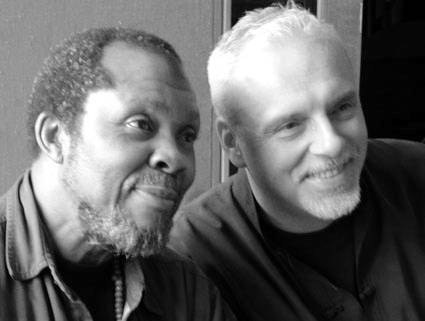
The godfathers of the association are the musicians Steve Waring, Jean Jacques Milteau, Dédé Saint Prix, Sarah Nemtanu and the professor pedopsychiatrist Marcel Rufo, in charge of the medico-psychological service for family and child in the two most important hospitals in Marseille, Sainte Marguerite and La Timone. They are assisted by a paediatrician professor Yanick Aujard. Its President is the doctor Didier Cohen Salmon, the director is Philippe Bouteloup.
Musicotherapy
The idea of treating by music is not really a new one. Since the Antiquity, people had been aware of its real curative virtues such as curing spiritual illness. As for its real curative virtues, results of the works carried out in this domain are often contradictory and people may say that there is no musical pharmacopeia.
However, there are domains in which music has a really positive action with children and teenagers, and also with adults. In the different caring places where they are received, music can weave links between the parents and the medical staffs : then music becomes a means of exchange, communication and improved well-being, a way to creation and shared of concrete pleasure.
Then, the concrete intermediates to achieve these objectives must be chosen, and among these intermediates the choice of the instruments.
The Harmonica
This small instrument has got a lot of qualities : it is cheap, it is light for transportation, rather easy to play. It isn't frightening, it is at the same time intimate and evocative of multiple subjects : folk musics, journeys, men's history via the instruments genesis, breath, air...
But, principally people may say that we breathe music through it. It uses as well "breath in" as "breath out" air (it is the only one doing so on the planet). More, the harmonica doesn't need to blow it strongly, it doesn't need much effort to obtain a sound. That's what makes of it a tool particularly adapted to the breathing diseases such as asthma and cystic fibrosis.
In otorhinolaryngology, the harmonica helps children with breathing difficulties to get a better consciousness for their breathing act by offering them recreational activities based on the musical breath.
Initiatives, actions, experiments
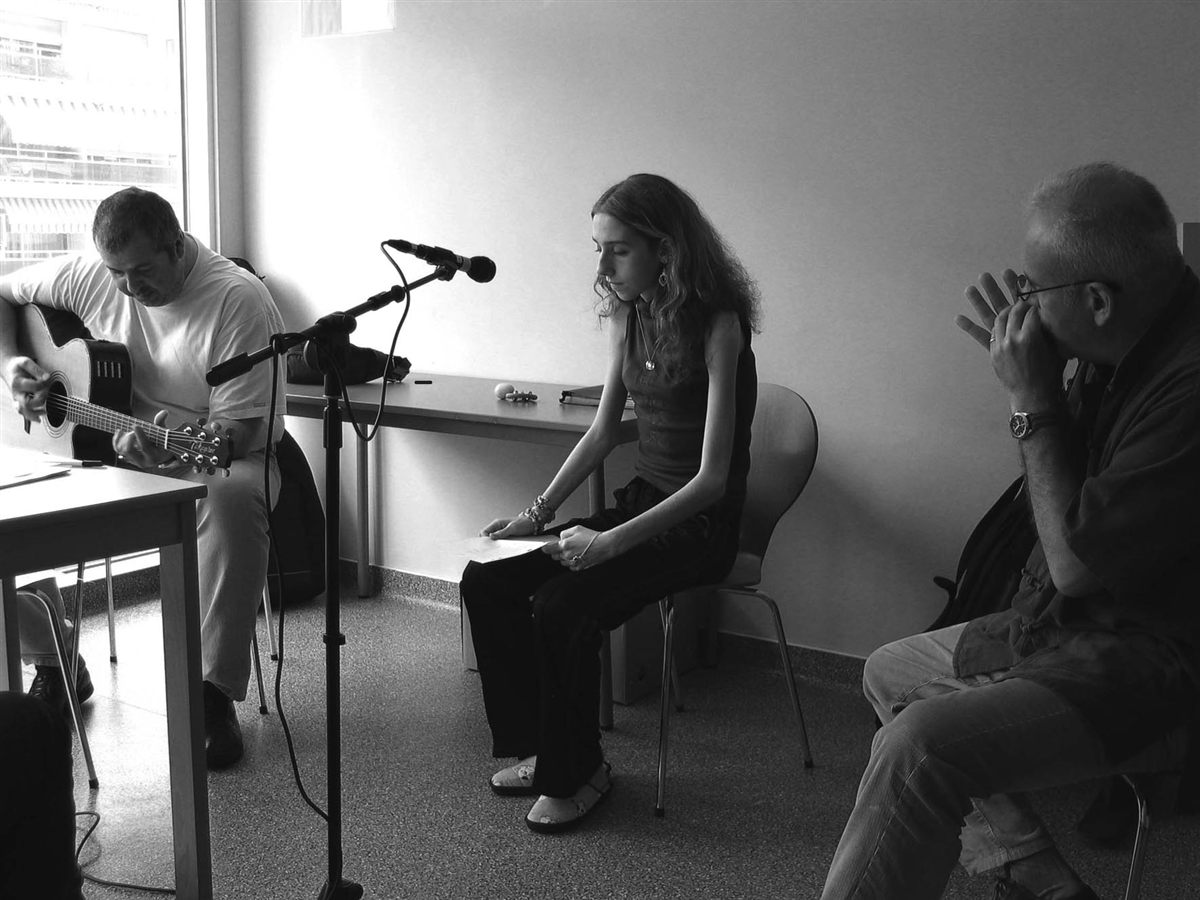
Jean Jacques Milteau and the association "Enfance et Musique" ("Childhood and Music"), followed by many others in the medicine world, created workshops such as the one in Bullion hospital, created by the speech therapist Caroline Raimbault. In the breath through the harmonica a speech therapist can evaluate inspiration and expiration and the abdominal breath.
Since a few years, in Marseille, a research has been carried out on music, in the professor Rufo pedo-psychiatry department, and extremely beneficial effects have been observed. The same research with the same results was conducted in Toulouse in professor Raynaud department and in professor Garabedian department in Trousseau hospital in Paris.
The results of these actions are very positive : harmonica is a breath therapeutic instrument, bringing pleasure and an opening on the world outside the hospital.
We mustn't forget to speak of harmonica players such as Toots Thielemans who probably is the most famous asthmatic player in the world ! John Walton was also a harmonica player following musical therapy who obtained very good results, and the president Ronald Reagan who was found to be playing the harmonica while recuperating from his near-tragic gunshot wound (in 1981).
Musico-therapy is a real big issue and only a few aspects of it had been mentioned here above. It obviously deserves further developments that we will tackle very soon.
Until then and without waiting, bravo to the association "Musique et Santé" and its godfathers and bravo to the Harmonica.
Josette Koch-Labre
France Harmonica Public relations
Echos France Harmonica magazine Editor
* Association Musique et Santé, https://www.musique-sante.org, 4 passage de la Main d'Or 75011 Paris France
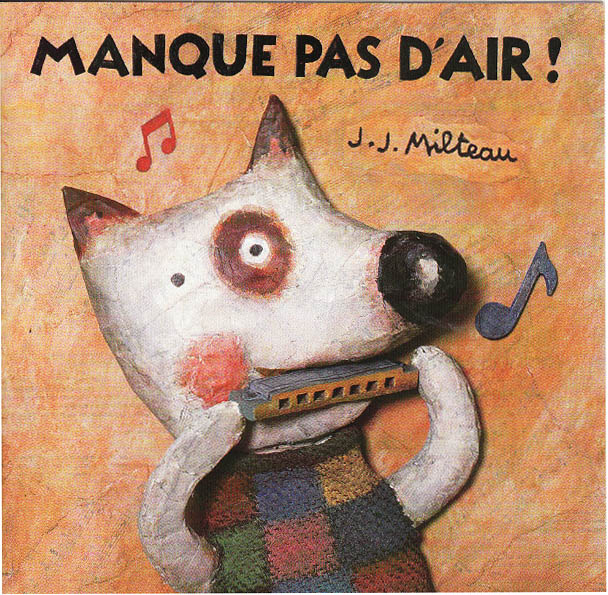
* CD "Manque pas d'Air", please contact "Musique et Santé" association, price : 18 €, mailing included, payable by international money order
What happens nowadays?
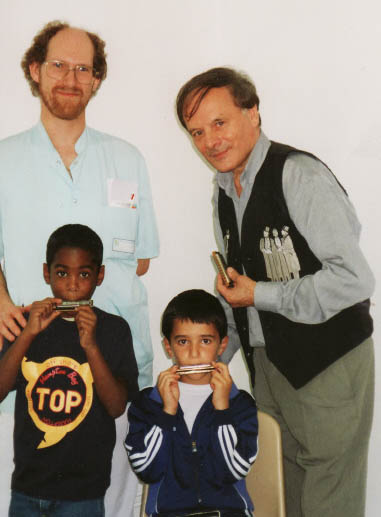
The situation is in constant progress and engaged in a common action which generates an awareness, translated in positive actions such as "Enchanted Paediatrics association" in Lorraine (east of France), run by Jean Louis Emmenecker ("Harmonicas de France" vice president) in collaboration with the "Bon Secours" and the "Bel Air" hospitals in which therapeutic treatments are offered to asthmatic children by multidisciplinary teams (school nurses, physiotherapists and psychologists), action permitting also to the children to discover the pleasure of music.
We can also notice the positive actions of the harmonica player Greg Szlapczynski in several medical departments. These actions are joining the "Musique et Santé" project, about which Josette has written here above. It's all about the work of the breath with a little harmonica that the children can bring home (a Hohner gift), work presented like a game that the children are waiting for with impatience.
The psychological benefits of this treatment are unquestionable. I've already observed it in the past when I've had opportunities to play in Necker children hospital, in Paris, in Mrs Blezat department and, also in Paris, in the Saint Mandé Blind Institute, on the movie star Danièle Delorme's initiative.
Let's wish a long life to all these positive actions. Let's pay tribute to the medical world, to the harmonica world and to the actors of Musique et Santé Association.
May I give you a last advice :
Never lend or borrow an harmonica... germs and virus are ready and waiting for such a moment, to the detriment of your health.
An harmonica is like a very dear person... that you wouldn't like to lend...
Jean Labre
Photos: J.J.Milteau, "Musique et Santé", J.L. Emmenecker